Moses Bliss, the Flyer Backlash, and the Bigger Conversation About Creative Labour

In the last 24 hours, a difficult conversation has opened up around Moses Bliss and how creative work is valued in gospel culture.
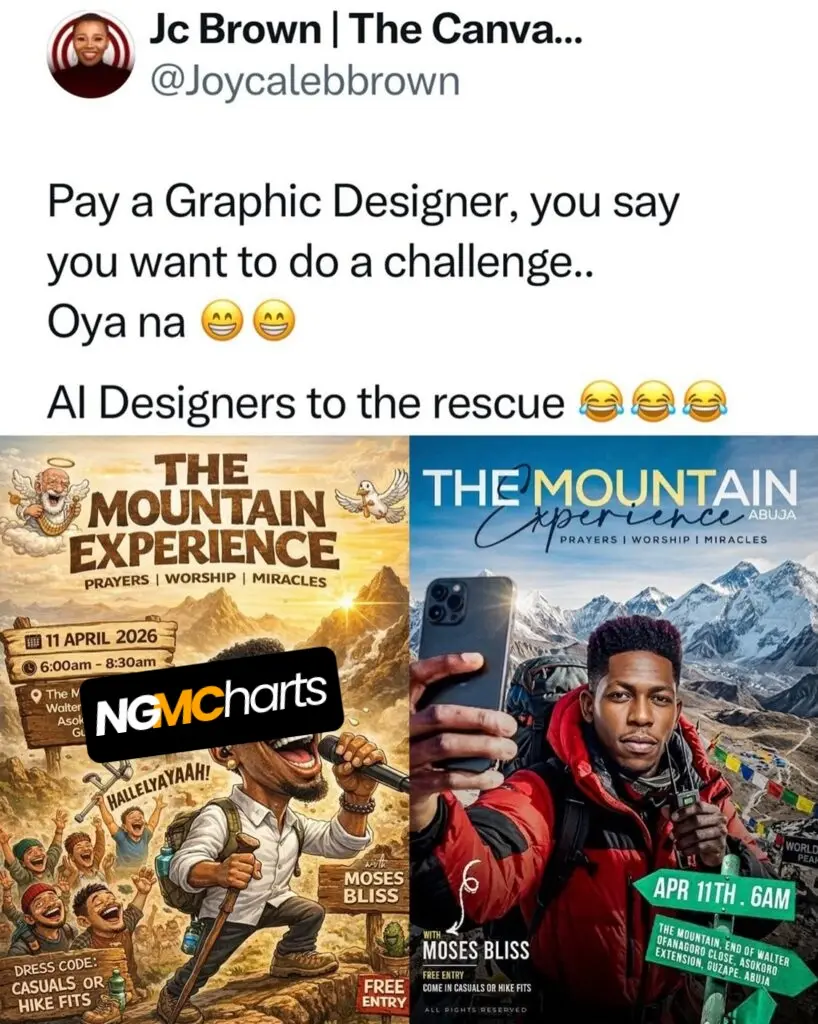
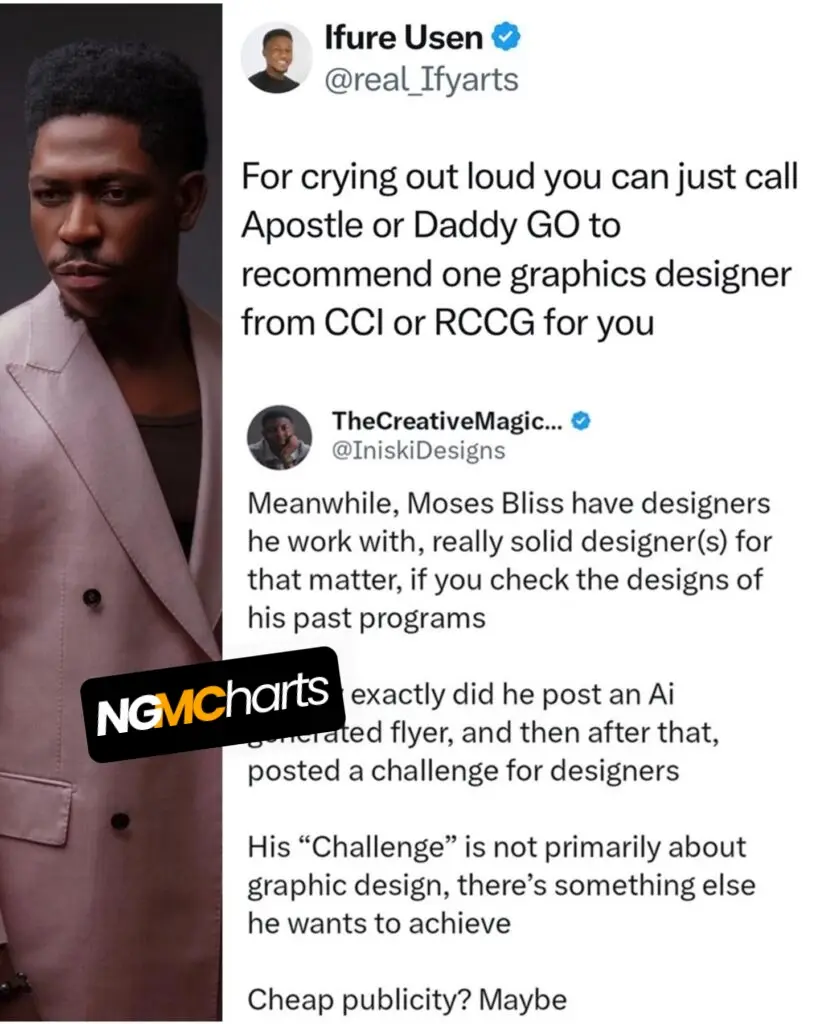
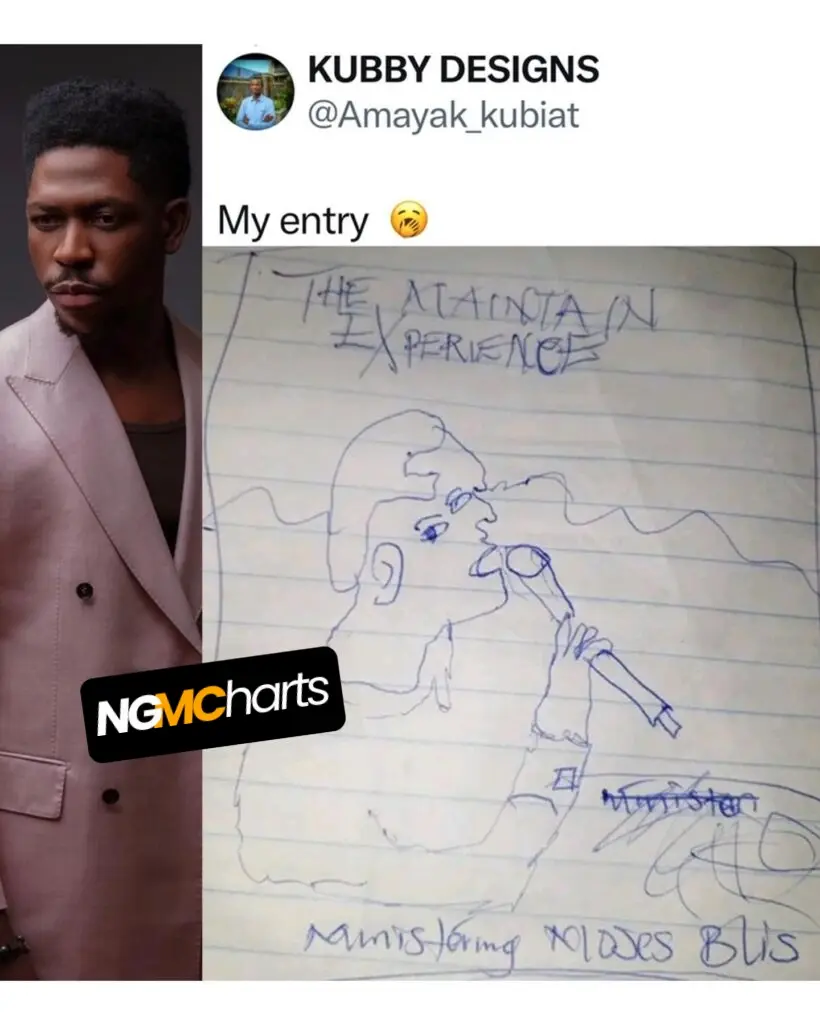
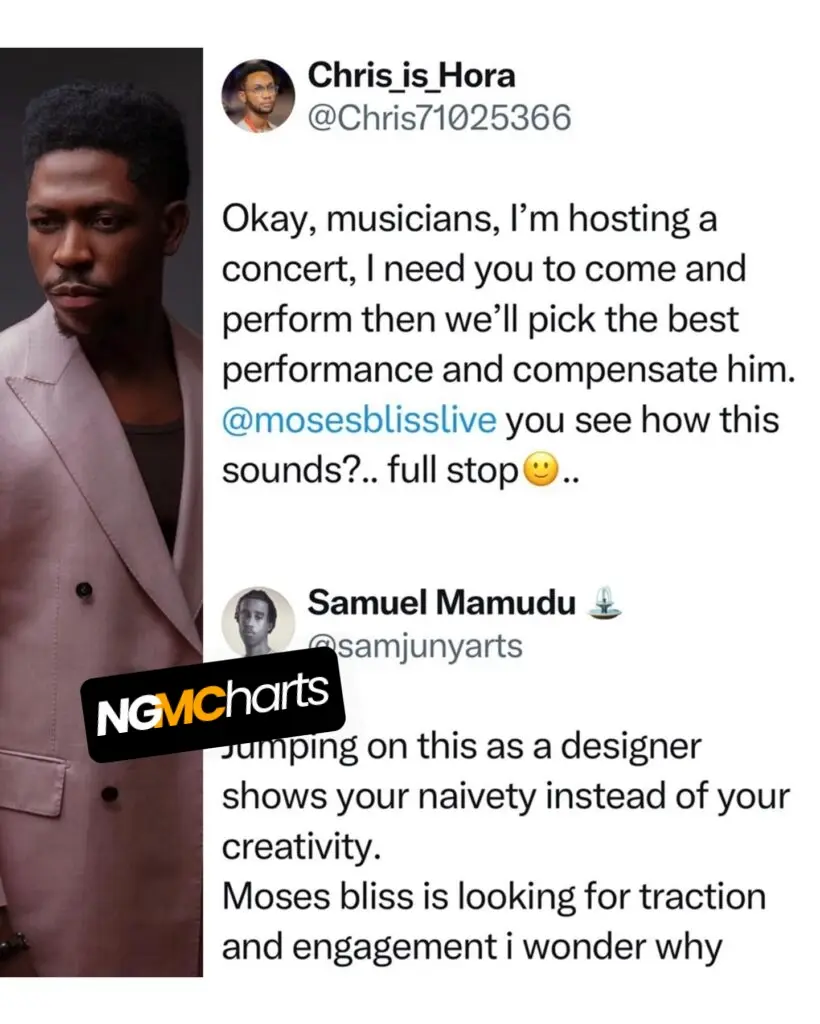
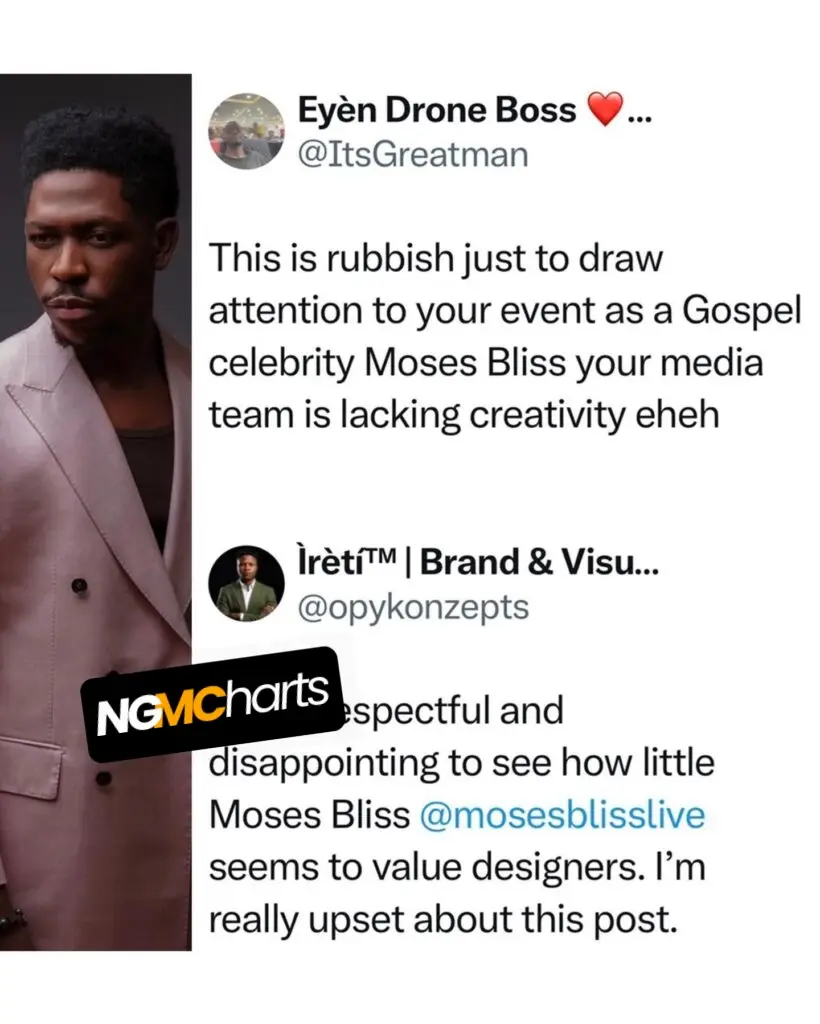
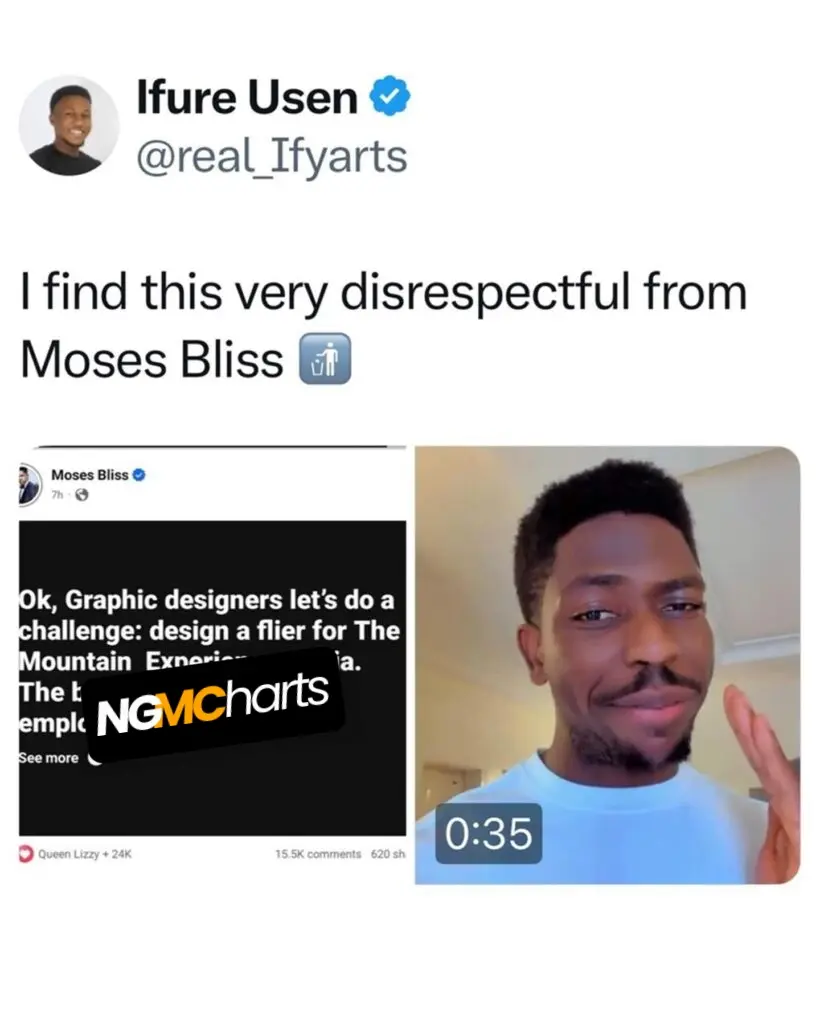
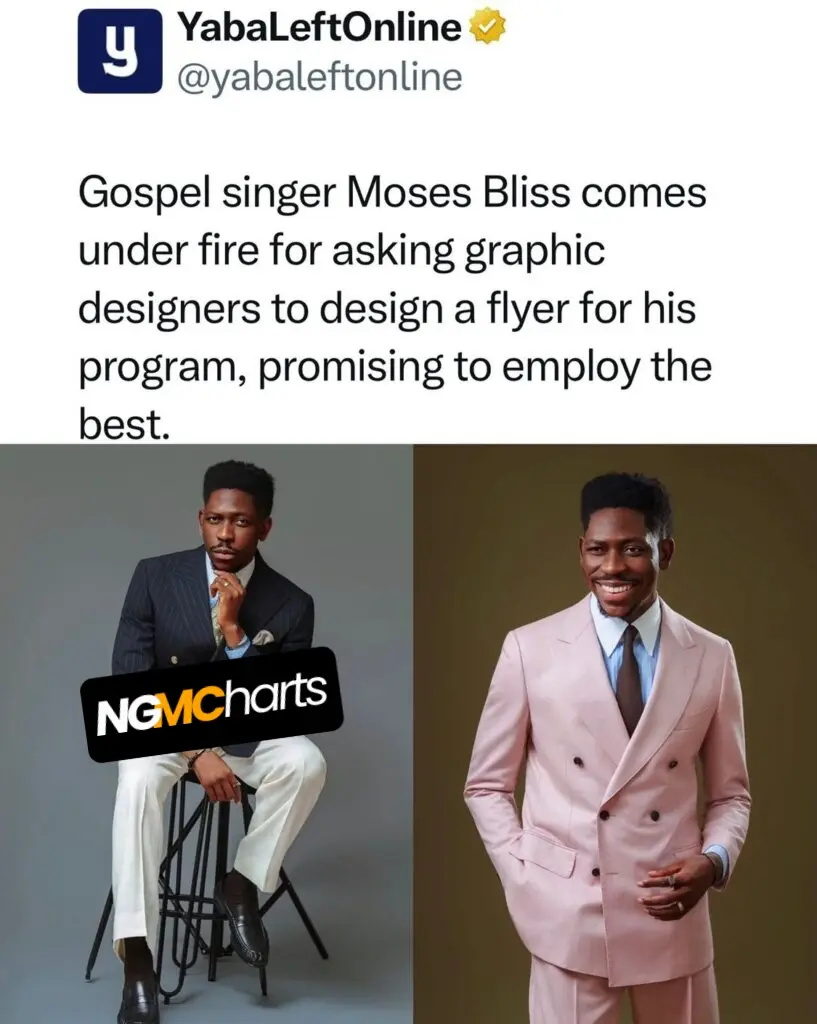
According to a report published on April 9, 2026, the singer faced criticism after a social-media call that allegedly asked designers to create event graphics, with a promise that one designer could later be chosen to work with him. The reaction was immediate. Many creatives saw it as unpaid labour dressed up as opportunity. Others argued that for emerging designers, visibility can still open doors.
What makes this story important is not only the artist involved. It is what the moment exposes: a long-running tension between exposure culture and fair pay in faith-based media spaces.
Why people reacted strongly
Designers did not just react to one post. They reacted to a pattern they have experienced many times. “Do this first, payment later” has become common language in creative industries, especially where ministry language can make boundaries feel uncomfortable to enforce.
For many creatives, this issue is personal. They are already carrying software costs, internet bills, unpaid revisions, and family obligations. So when public calls ask for finished work before a contract or fee, it can feel less like collaboration and more like pressure.
At the same time, supporters of this kind of call usually make one point: not everyone has access to major artists, and some people are willing to trade short-term free work for long-term relationship opportunities. That is also real. The challenge is that this model benefits only a tiny number of participants while many others do the labour for nothing.
What professional design bodies say
This debate is not new, and it is not unique to gospel culture. Professional design organizations have repeatedly warned against “spec work” (work done before pay is agreed) because it can devalue creative professions and create unfair selection systems.
Groups like the International Council of Design and RGD describe speculative requests as harmful to both designers and clients when there is no clear paid structure, scope, or rights framework. Their core argument is simple: good design is a strategic process, not a lottery.
What would a healthier model look like?
If gospel artists and ministries want strong visuals and still want to discover new talent, there are better ways to do it:
1. Pay a fixed shortlist fee for selected designers.
2. Ask for portfolios first, not finished new work.
3. Use a clear brief and transparent selection criteria.
4. Define ownership and usage rights in writing.
5. If it is truly a ministry collaboration, state that clearly and keep participation voluntary without vague “maybe” rewards.
That approach protects both the artist’s brand and the designer’s dignity.
Why this matters for gospel culture
Gospel is built on message, yes, but also on people. The producers, videographers, engineers, designers, and editors behind the scenes are not side characters. They are part of ministry too.
So this moment is bigger than one headline. It is a reminder that excellence in gospel media should include excellence in how people are treated. If the message is honour, the process should also look like honour.
As this conversation continues, one thing is clear: younger creatives are no longer afraid to speak up about value, boundaries, and fairness. That shift is healthy. It may be uncomfortable, but it is necessary.
For broader movement context, follow NGMCharts Charts, NGMCharts News, and artist movement across NGMCharts Artists.


Source: @Yabaleftonline
Editorial note: At time of writing, we found one primary news report summarizing the incident and could not independently verify every claimed detail from the original deleted social post.
“In the last 24 hours, a difficult conversation has opened up around Moses Bliss and how creative work is valued in gospel culture.”
join the discussion
Log in or create an account to comment.