Is it cultural mission or watering down the movement?
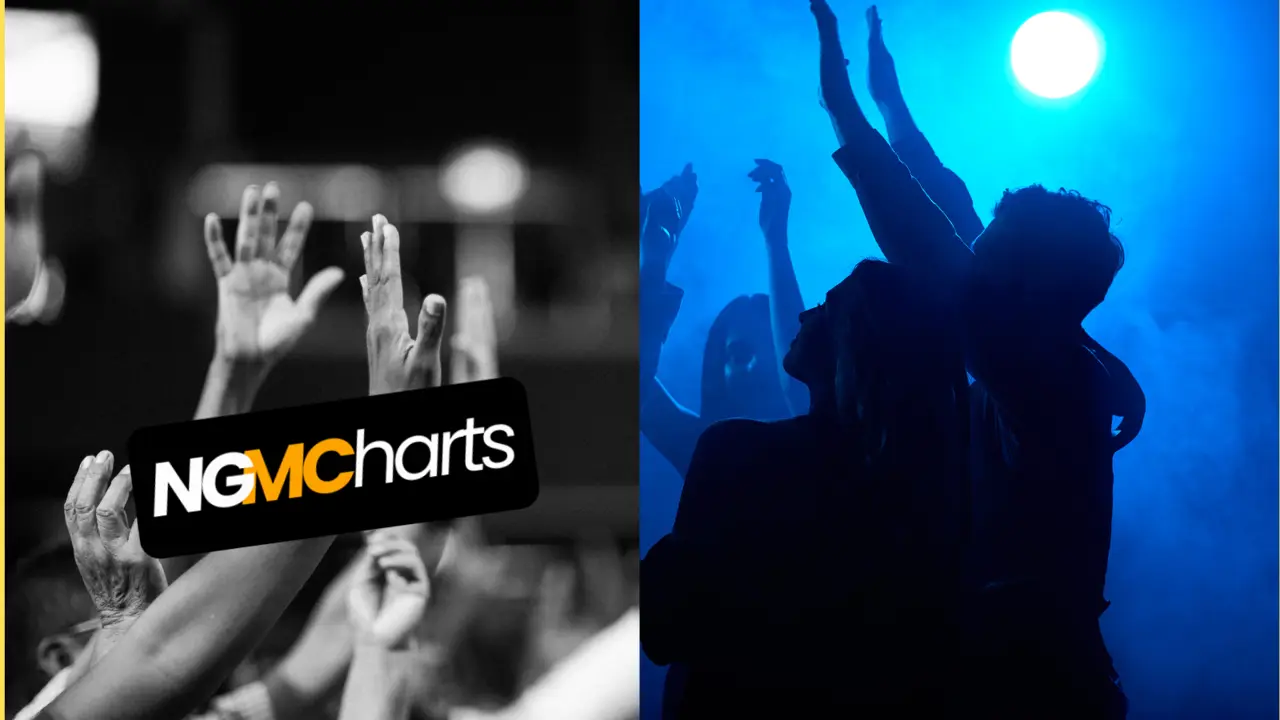
Walk into a lounge in Lagos, a warehouse space in London, or a young creatives gathering in Atlanta right now, and you can hear it immediately. The drums are familiar. The bounce is familiar. The hooks are familiar. Then you listen closely and realize the lyrics are carrying prayer language.
That is the reality of this moment. Afro-Gospel is no longer confined to church programming. It is now living in everyday social life, and that is why this conversation matters.
For live context, keep one eye on the Afro-Gospel Chart and one eye on New Music, because this shift is happening in real time.
Why this debate is getting louder now?
This is not just about taste. It is about stewardship.
Afro-Gospel has become sonically competitive with mainstream Afrobeats, Amapiano, and pop-fusion records. That technical overlap means a DJ can blend a gospel record into a secular set without breaking energy. The room keeps moving. The transition feels natural. That is exactly why people are asking if the movement is expanding or being diluted.
The current stream behavior supports that tension. Songs like No Turning Back II, Your Way, Bigger (Odogwu), and Calling (Bless Me) are not surviving on Sunday alone. They are replay songs for weekdays, workouts, late-night drives, and social hangouts. You can track this kind of cross-space performance on the Top 50 Chart, not only genre charts.
The case for “yes, it is appropriate”
There is a strong argument that this is cultural mission, not compromise.
People who would never attend a church service are still hearing language of surrender, grace, thanksgiving, and identity in Christ through these songs. That matters. Music has always entered hearts before doctrine classes do. If the sound opens a door, it can still be ministry.
This also matches what we see in youth behavior. Gen Z and younger millennials do not separate life into neat “sacred room” and “secular room” categories. They want faith language inside real life, not locked behind Sunday gates. In that frame, Afro-Gospel in social spaces is not rebellion. It is translation.
If you want to map artist-by-artist movement in this transition, the Artists page helps connect the sound to the people shaping it.
The case for “yes, but it can still water things down”
The caution side is real too, and it deserves respect.
A gospel record can play in a club and still remain gospel. But a gospel movement can lose depth if it starts chasing atmosphere over assignment. This happens when events keep the bounce but remove the burden. The lyrics stay, but the spirit changes.
Common red flags are easy to spot:
- Music becomes pure backdrop, not message-bearing content.
- Promoters market “gospel nightlife” but build the same excess culture with new branding.
- Artists are treated as vibe suppliers instead of ministers, storytellers, or culture-builders.
- Community accountability disappears and everything revolves around clips.
- When those patterns take over, people are not wrong to call it watering down.
You can compare how devotion-led songs and energy-led songs move differently on Worship and Praise. That difference is useful, because it shows not every hit serves the same function.
A clearer framework than arguments: test the fruit
Instead of fighting online with labels, use a simple framework.
1) Message clarity
Can people still hear the core of the song, or is the message buried under performance culture?
2) Environment integrity
Does the event protect dignity, safety, and conviction, or only mimic mainstream excess with a gospel sticker?
3) After-effect
What remains after the event?
Only adrenaline and social posts, or testimony, community, and actual spiritual reflection?
If those three stay healthy, this is not dilution.
It is contextual evangelism and cultural discipleship.
For weekly interpretation pieces around these shifts, read the News section.
What this means for Afro-Gospel going forward
Afro-Gospel is entering a leadership season. Influence has grown. Reach has grown. Expectations have grown. That means artists, DJs, curators, and event hosts now carry bigger responsibility.
The goal is not to make gospel sound less excellent so it feels “safe.”
The goal is to keep gospel substance intact while meeting people in spaces where they already are.
So can you play Afro-Gospel in a club?
Yes. You already are.
The deeper question is this: when the beat fades, did the room encounter only a vibe, or did it encounter truth?
If we answer that well, this movement will not be watered down.
It will be refined, and it will keep reaching people far beyond traditional walls.
“Is it cultural mission or watering down the movement?”
join the discussion
Log in or create an account to comment.